CONNOISSEUR
GRAND HOTELS
Five Houses. One Bureau. Established 1892.
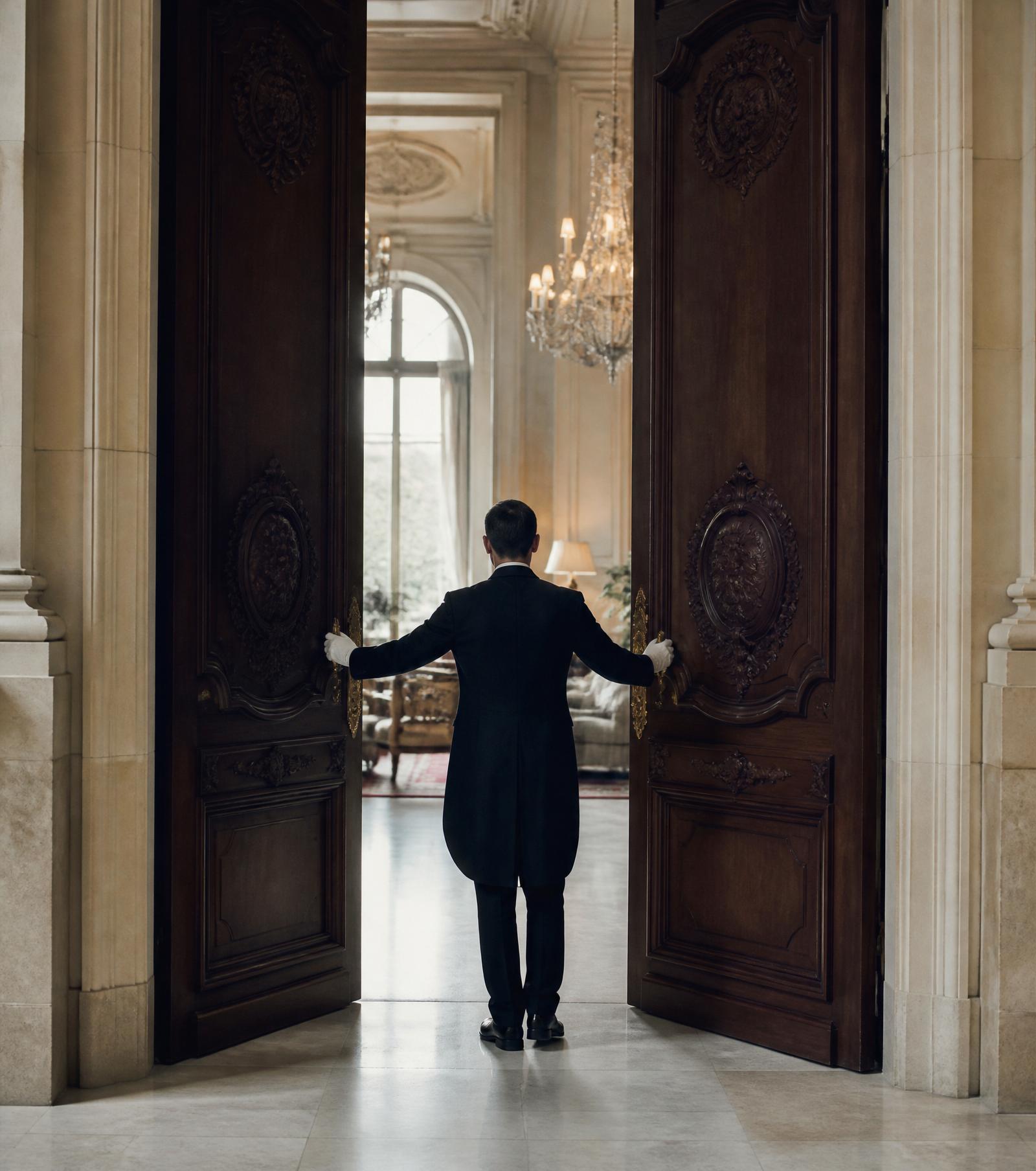
We keep no chain, no flag, no rewards ledger. We keep five buildings — older than the countries around them — and the discipline required to inhabit them without altering their nature. Here is custodianship: of stone, of silver, of the quiet a guest is owed.
They have served as the drawing rooms, the ballrooms, the libraries, the cultural salons, and the great dining rooms of civilisation.
Connoisseur Grand Hotels continues that tradition. Our Houses are not places to stay; they are rooms in which the next history of the world will be composed, signed, celebrated, and remembered.
The coronation supper. The treaty, initialled between courses. The wedding at which two houses were reconciled. The Nobel dinner, held privately the evening before the ceremony. The commission of a symphony, over coffee. The reading of a will. The engagement, kept secret for a further year.
Such things are not scheduled. They are hosted — under a discreet roof, by a household long practised at the art of being present without being noticed. Our five Houses have kept that art for a hundred and thirty-two years. What has already occurred beneath these ceilings is a matter for the Guest Book. What has not yet occurred is a matter for our correspondence.
What the Houses Have Held.
A partial register, redacted where discretion requires — which is to say, in most instances.
Held on the eve of the accession, for eighteen guests, in the Blue Room. The menu is preserved in the Bureau; the guest list is not.
A ceremony in the private chapel of the fourth arrondissement, followed by a supper in the Salon des Miroirs. Neither family has since resided elsewhere.
Convened at four hours' notice for a delegation of nine ministers. The kitchens produced a menu of seven courses without written instruction.
For the relief of the port orphanage, held annually since 1931. The subscription is closed; the ball is not advertised.
The evening before the ceremony, for the laureate and eleven of their closest correspondents. The address given afterwards has never left the room.
Six days of residence in the eastern wing. The household observed, throughout, the domestic silence proper to the season.
Begun at the writing desk of Apartment IX, completed in the same room the following spring. The manuscript bears the House's watermark.
Held in the small library, over coffee, between two heads of state and one interpreter. The Bureau records only the date and the weather.
The Bureau receives, in a given year, some forty enquiries of consequence. It accepts, on average, twelve.
Opera, symphony, exhibitions, writers, philanthropy — and the seasonal celebrations that mark the year within the Five Houses.
The Calendar is not a programme of entertainment. It is the record of what the Houses will hold, and of whom they will hold it for.
The Five Houses
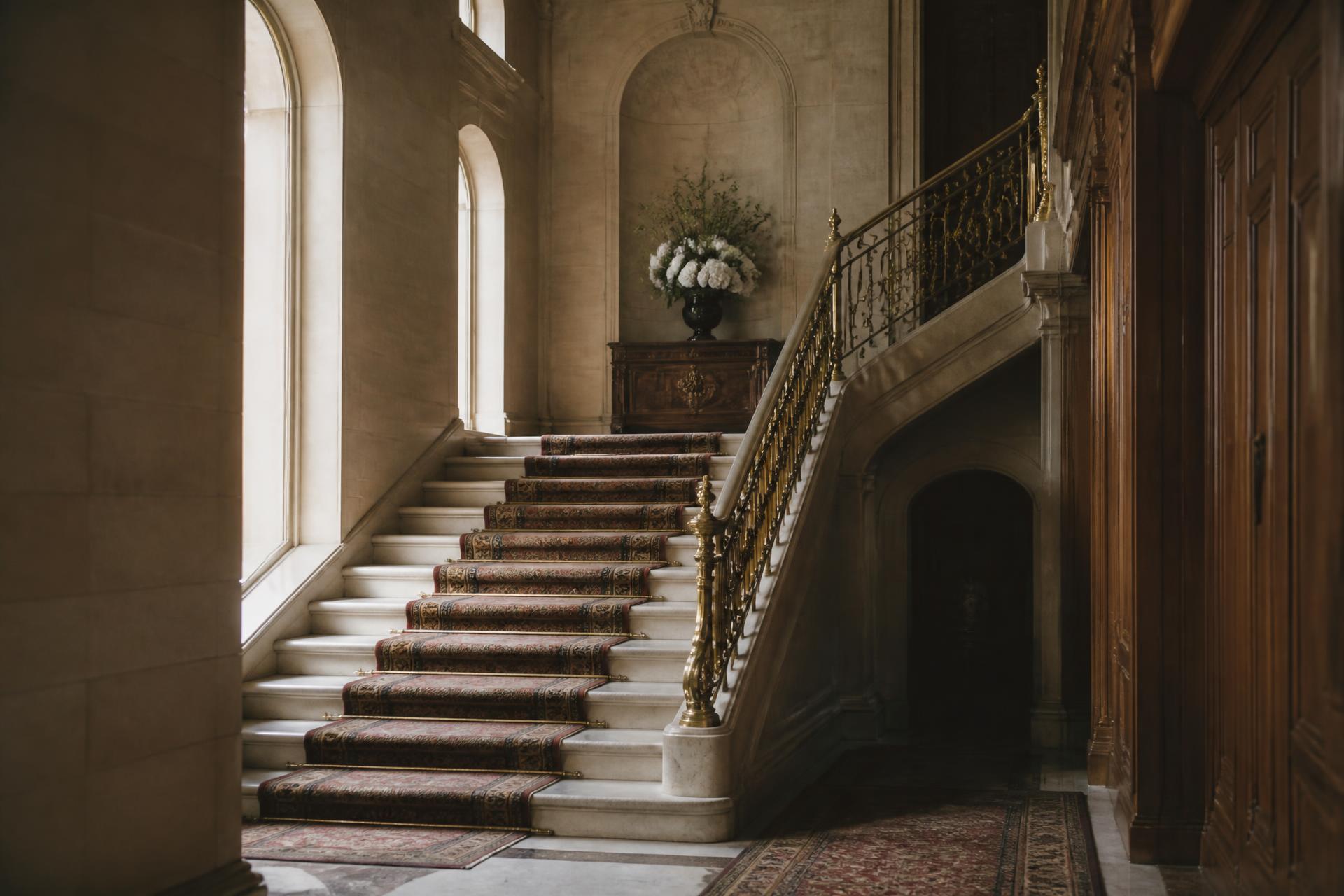
Each House is entered into the register of the Bureau in the year of its consecration. No sixth has been added in seventy years. None is presently contemplated.
- I.Le PalaisParis
Place Vendôme — the founding house, occupying the eastern arcade in its entirety.
Est. 189201 / 05 - II.The WetherbyLondon
A private garden square in Mayfair; residence of ambassadors and composers since Edward VII.
Est. 190402 / 05 - III.Hofburg ResidenzVienna
The former Habsburg guest wing, entrusted to the House by imperial decree.
Est. 191103 / 05 - IV.RyōgetsuKyoto
An eighteenth-century merchant estate at the foot of Higashiyama, tended by three successive families.
Est. 195604 / 05 - V.Casa del FaroHavana
A colonial palace on the Malecón, restored plaster by plaster over forty years.
Est. 192905 / 05
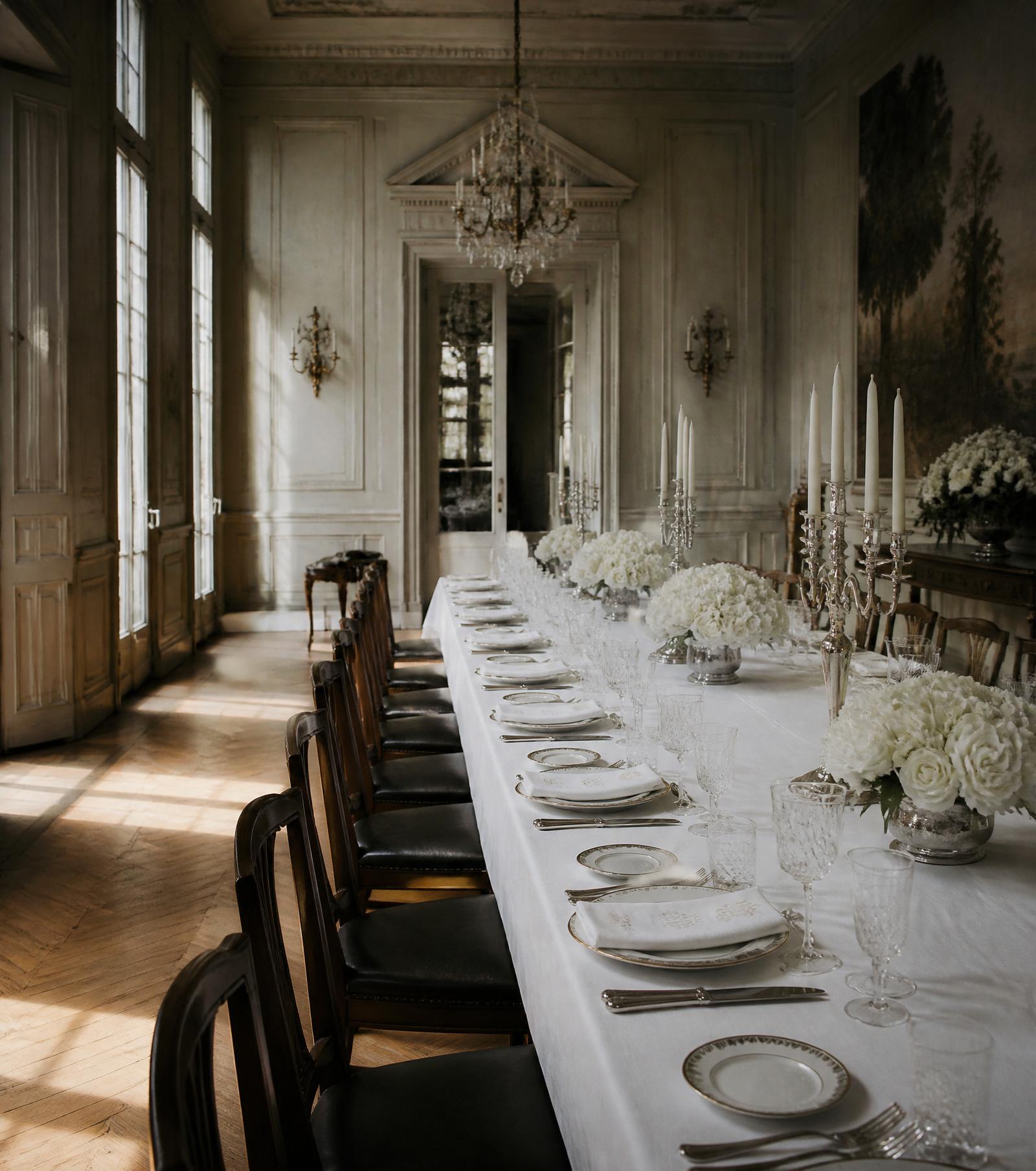
Rooms which have witnessed peace, treaties and the occasional waltz.
The salons of our Houses are not restored — they are maintained. The chandelier in Vienna has hung, uninterrupted, for one hundred and eleven years. The parquet in Paris receives beeswax on the first Monday of every month, by the same family, in the fourth generation.
Nothing here is decorative. Everything is occupied.
Twenty-Four Rooms Per House.
A limit set by the founding charter of 1892, and never revised.
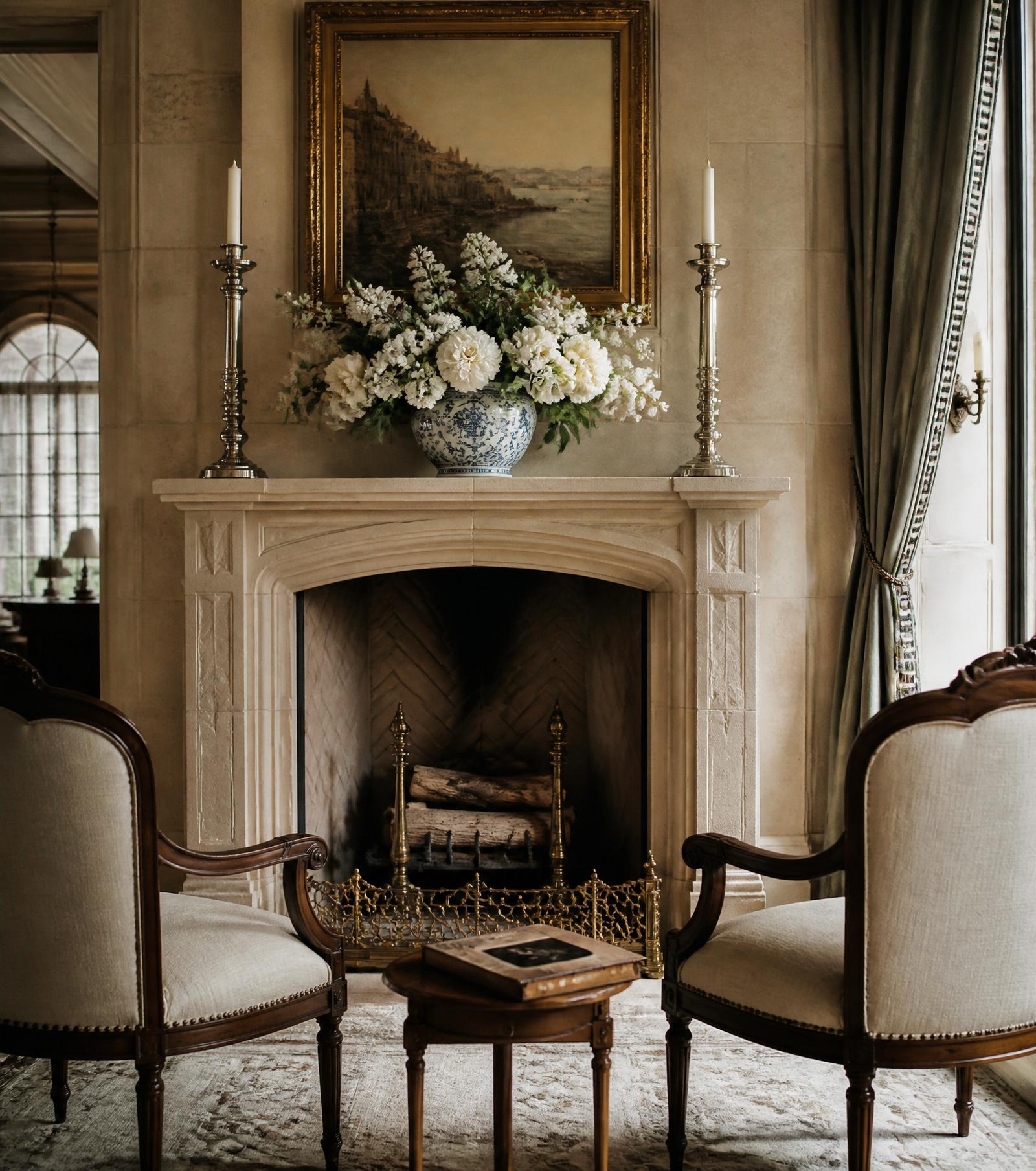
The State Apartment
- Aspect
- South, over the private garden
- Ceilings
- Four metres twenty
- Household
- Butler, valet, housemaid — resident
- Correspondence
- Delivered on silver, morning and evening
- Nightly
- Upon private application
We build nothing new.
We keep.
A House is a promise made across generations. Ours is very simple: to receive a guest as we received their grandfather, and to render, without fuss, the standard he remembers. When the world changes — as it must — the change stops at our threshold.
From the Guest Book.
A private archive of occasions held within the Five Houses — not testimonials, but records of what a House can contain.
Membership is not a programme. It is a company of persons who use the Five Houses as a room for conversation, dining, the arts, philanthropy, and private occasion.
A House is not remembered for its rooms.
It is remembered for what a family chose to hold within them.
- I.
A daughter, married in the Salon des Miroirs.
- II.
A foundation, seated for its annual dinner in the Blue Room.
- III.
A Christmas, remembered by grandchildren who were not yet born when it was booked.
- IV.
A hundred-and-twentieth birthday of a family, held in the same room as its fiftieth.
The Houses do not solicit such occasions. They inherit them — from a family that once, on an unremarkable afternoon, wrote to the Bureau and asked whether a room might be kept.
Correspondence, in writing.
Reservations are addressed to the Bureau, in Paris, and answered by a single hand. There is no telephone queue. There is no automated reply. One writes; the Bureau writes back — usually the same afternoon.
- Bureau
- 14 Place Vendôme, Paris I
- Telephone
- +33 (0)1 42 60 00 00
- Written
- bureau@connoisseur-grand.com
- Hours
- Nine to seven, Paris time